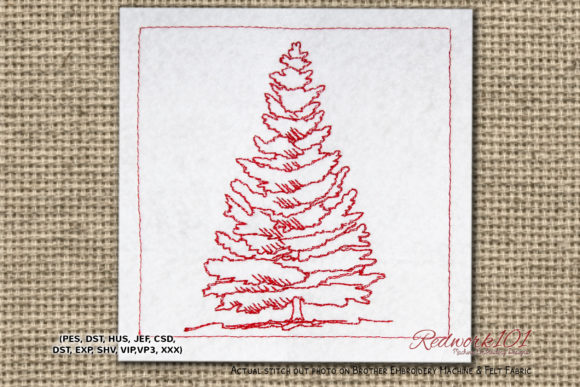
Spruce Tree Redwork: A Versatile Embroidery Design for Branding
First Impressions of Spruce Tree Redwork
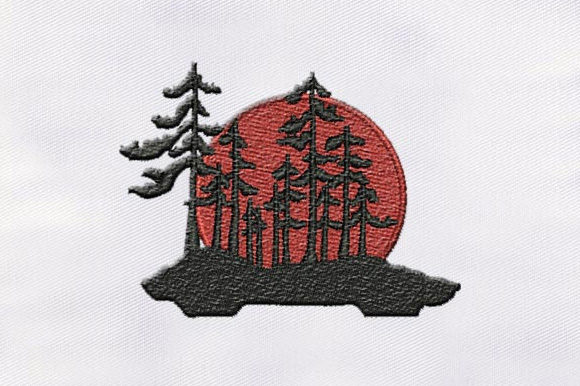
As an experienced embroidery designer, the first thing I notice about Spruce Tree Redwork is its classic and rustic charm. The name itself evokes a sense of nature and simplicity, which aligns well with brands that want to project a handmade, earthy aesthetic. From the product description, it’s clear this design leans into redwork tradition — using bold outlines and minimalistic detail to create a strong visual impact. The optional box stitch feature adds a layer of customization that's rare in many digital embroidery files. It gives embroiderers the flexibility to enhance or simplify the design depending on the application. This adaptability makes it especially appealing for small business merch where branding needs to be consistent across multiple items but still maintain a unique touch.Real Business Applications of Spruce Tree Redwork
Spruce Tree Redwork can serve as a subtle yet memorable addition to a variety of branded products. For small businesses, such as cafés, handmade boutiques, or local florists, it offers a timeless look that fits both casual and professional settings.
Apron Embroidery and Tote Bag Design
For aprons used in bakeries or craft studios, Spruce Tree Redwork adds a touch of authenticity and warmth. Similarly, as a tote bag design, it brings a quiet elegance that appeals to eco-conscious customers. The absence of dense stitching means the fabric remains breathable and soft — important for daily-use items.Product Packaging Accents and Event Merch
If your brand uses custom packaging, consider using Spruce Tree Redwork as an embroidered label or patch for reusable bags or gift boxes. It conveys a premium, artisanal feel that supports customer trust and perceived product value. At events or pop-up shops, this design can also appear on temporary customer gifts like mini totes or bandanas, reinforcing brand recognition in a cost-effective way.Where to Use Spruce Tree Redwork Carefully
While Spruce Tree Redwork is versatile, there are certain applications where extra attention is required to preserve quality and readability.- Small Patch Sizes: The design contains delicate elements that may not translate well when scaled down. Always check if the essential features remain visible after resizing.
- Curved Surfaces: Due to the nature of redwork designs, which often rely on precise outlines, curved surfaces like sleeves or rounded patches may cause distortion. Consider adjusting the shape or using a stabilizer for better results.
- Tiny Lettering: If the design includes text (even indirectly through symbols), it might require larger sizes for legibility. Avoid using it on items where tiny lettering is necessary.
- High Stitch Density: While the design is typically low-density, adding extra layers or stitches for texture could increase density. Be mindful of how this affects fabric integrity, especially on thinner materials.
- Textured Fabric: Redwork relies on smooth, even stitching. Textured fabrics like canvas or denim may require more stabilization or pre-treatment to prevent puckering.
- Dark Uniforms: To stand out, use bright white or cream threads. Dark backgrounds can dull the effect if the thread color isn’t carefully selected.
- Frequent Washing: For items like aprons or totes that see regular use, always test the design on real fabric to ensure durability and colorfastness over time.
Brand Identity and Visual Consistency
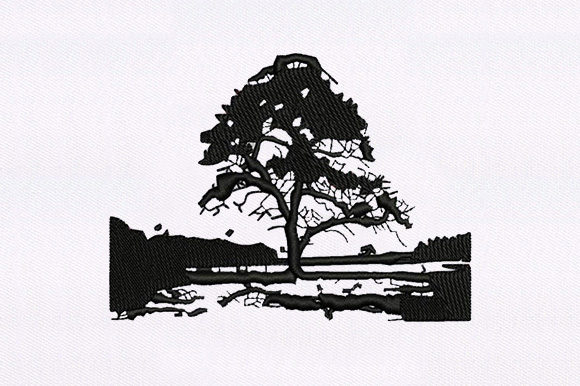
The Forest-inspired imagery of Spruce Tree Redwork can subtly reinforce a brand’s connection to nature, sustainability, or craftsmanship. Its embroidery file format allows for seamless integration with other design assets — think leaf motifs, mountain silhouettes, or animal figures — to build a cohesive visual identity.
Using this design consistently across custom apparel, branded patches, and product labels helps strengthen buyer engagement and brand recognition. It’s particularly effective for handmade or Etsy-style brands aiming to evoke a nostalgic or artisanal vibe. The monochrome appeal of redwork ensures it won't clash with other logos or patterns, maintaining a polished look across all merchandise.
Professional Tips for Embroidery Shops and Product Designers
- Test in Black and White First: Since the design is rooted in redwork, start by experimenting with black thread to evaluate line clarity and contrast.
- Check Small Patch Compatibility: Resize the design to see if it still holds up on smaller formats like buttons or pin-back patches.
- Review Thread Color Contrast: Choose thread colors that complement your brand palette and provide enough contrast against the base fabric.
- Inspect Spacing and Layout: Ensure the spacing between elements is sufficient to avoid overlapping stitches or unintended visual effects.
- Confirm Hoop Size Requirements: Although not specified, hoop size is crucial for successful embroidery. Test on different hoops to find the best fit.
- Use Proper Stabilizer: Especially on stretchy or thin fabrics, backing stabilizers will help keep the design from distorting during sewing.
- Create a Printable Mockup: Share a mockup with clients to visualize how the design looks on their chosen item — whether it's a cap embroidery or a tote bag.
- Compare With Other Designs: Make sure the Spruce Tree Redwork complements existing brand identity elements and doesn’t overshadow them.
- Verify Commercial Licensing: Always confirm that the digital embroidery file allows for commercial use, especially if planning large orders or selling finished products.