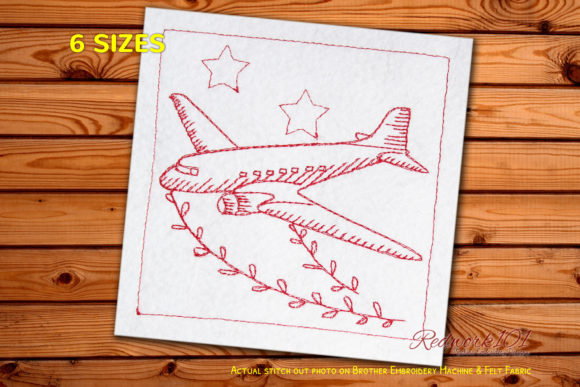
Douglas DC-3 Embroidery Design Review for Real Projects
As a designer who has stitched hundreds of machine embroidery designs across various products, I always approach a new design with both curiosity and caution. The Douglas DC-3 Design caught my attention not just because of its nostalgic aviation theme, but because it offers something unique for the craft business owner or handmade shop creator looking to add a touch of vintage charm to their product lineup. Let’s take a closer look at how this redwork-style embroidery file holds up in real-world use.
First Impressions: A Classic with Modern Appeal
The Douglas DC-3 Design brings a timeless aesthetic to the table. It’s a clean, bold redwork piece that immediately evokes mid-century transport nostalgia. The shape is elongated and stylized, which makes it feel dynamic rather than static—perfect for anything from a tote bag to a hat. The layout is balanced, with enough visual interest to stand out without overwhelming the viewer. The optional box stitch adds structure, but the main appeal lies in the simplicity of the line work and the strong silhouette of the aircraft.
I can already imagine this design on a custom sweatshirt for an aviation-themed boutique or as a subtle embroidered patch on a leather jacket. The level of detail is just right—not too intricate, yet enough to give it character. It feels like a design that would speak well to customers who appreciate retro motifs and minimalist style.
Real-Life Use Cases and Project Suitability
Let’s think about where the Douglas DC-3 Design could naturally fit into a product lineup:
- Tote bags: The design’s size and shape make it ideal for large-format items like canvas totes. It gives a sense of adventure and heritage, especially if paired with a vintage travel phrase or logo.
- Sweatshirts and t-shirts: Placed centrally or off to one side, it works well as a statement piece. For a commercial project, pairing it with other elements (like clouds or propellers) can create a cohesive collection.
- Patches and caps: This design translates beautifully into an embroidered patch. Its clean lines and single-color format make it easy to stitch neatly onto denim jackets, baseball caps, or even messenger bags.
- Baby clothes and nursery decor: While the DC-3 itself may be more adult-oriented, the design can be reimagined subtly for kids’ items—think a small version on a onesie or as part of a larger “airplane adventures” motif on a pillow cover.
- Kitchen towels and aprons: Redwork designs often shine in home décor. The Douglas DC-3 could be a fun addition to a set of embroidered tea towels, especially if you’re targeting hobbyists or aviation enthusiasts.
What stands out is how versatile the design feels. Whether you're working on a personal project or a commercial embroidery run, the Douglas DC-3 adapts well to different contexts and applications. It’s not just another airplane—it's got personality, and that’s what makes it memorable.
Where Caution Is Advised
While the Douglas DC-3 Design is adaptable, there are a few situations where you should tread carefully:
- Small hoop sizes: If your plan involves using this on tiny accessories like keychains or jewelry pouches, you might need to scale down. But keep in mind that reducing the size could affect the clarity of details, especially the wings and tail.
- Textured or stretchy fabrics: The design relies heavily on running stitches and fill areas. On stretchy materials like knits or textured canvases, you’ll want to test how those stitch types hold up. Proper stabilizer will be essential here.
- Dark fabric backgrounds: Since it’s a redwork design, thread contrast is critical. If you’re stitching on black or navy, you’ll need a white or cream-colored thread to maintain visibility. Always do a test on scrap fabric before finalizing production.
- Curved surfaces: Embroidering on caps or curved patches requires attention to stitch direction and tension. Make sure the design is compatible with your machine’s capabilities for such surfaces.
- Frequent-wear items: Items like aprons or baby clothes may require frequent washing. Check the durability of the design when washed over time, particularly the outer box stitch if you choose to include it.
These aren’t deal-breakers by any means, but they are important considerations for maintaining quality and ensuring customer satisfaction.
Visual Impact and Customer Reactions
One thing I’ve learned through years of reviewing machine embroidery designs is that first impressions matter. The Douglas DC-3 creates a clear visual identity. It’s instantly recognizable and has a classic vibe that appeals to a broad audience. When applied to a tote bag or sweatshirt, it becomes a conversation starter—people notice it, ask about it, and often connect with it emotionally.
This kind of engagement is gold for Etsy sellers and small shop product creators. It elevates the product value and builds customer trust, especially when the finished item looks professional and well-executed. The design doesn’t scream “I’m handmade,” but it whispers “I was made with care,” which is exactly what buyers respond to.
On darker fabrics, the contrast between the redwork lines and the background is less pronounced. However, if you use a light-colored thread on dark fabric, it can become a focal point and add a nice pop of color. Just remember to adjust your stitch density accordingly to avoid puckering or distortion.
Design Notes for Practical Application
Before you commit to using the Douglas DC-3 Design in a real project, here are some tips based on experience:
- Test on scrap fabric: Always stitch a sample before moving to production. This helps catch issues with tension, placement, or fabric behavior early.
- Check thread color contrast: Especially if using it on dark or patterned materials. A white or cream thread usually works best for redwork styles.
- Review stitch density: Adjust settings depending on the fabric type. Lighter-weight cottons may need less dense fills, while sturdier materials can handle more.
- Confirm hoop size: Some machines have limitations. Ensure the design fits within your available hoops to avoid resizing problems.
- Inspect small details: Look closely at the engine, cockpit, and wingtips. These are the features that help the design stand out, so you don’t want them to get lost in translation.
- Use proper stabilizer: Even on simple designs, the right stabilizer can make all the difference in preventing shifting or puckering.
- Consider mockups: When creating digital listings or printable mockups, try the design on different product templates. See how it looks on a tote bag design versus a sweatshirt embroidery preview.
- Verify licensing: If you plan to sell the finished product or distribute the digital embroidery file, confirm whether the design allows commercial use. You don’t want to invest time and effort only to hit a legal snag later.
Adding Value to Your Craft Business
In the world of handmade and personalized gifts, the Douglas DC-3 Design has the potential to elevate your offerings. Whether you're creating a limited-run collection for an aviation-themed boutique or adding a unique touch to your holiday gifts, this design adds a layer of storytelling to your product.
Its presence on a handmade product suggests attention to detail and a love for classic aesthetics. For creative entrepreneurs, this kind of emotional resonance is invaluable. Customers buy into the story behind the design as much as the item itself.
From a branding perspective, the Douglas DC-3 can serve as a signature element in your design assets. Imagine using it across multiple product types—tote bags, aprons, and patches—to build a consistent and recognizable brand identity. That kind of brand consistency is what sets successful craft businesses apart from the rest.
Final Thoughts for Embroidery Designers and Makers
Overall, the Douglas DC-3 Design is a solid choice for anyone looking to incorporate a vintage-inspired embroidery project into their portfolio. It’s not overly complex, which makes it great for beginners or high-volume production runs, but it still carries enough character to impress seasoned crafters and collectors alike.
When used thoughtfully, this design can enhance the giftability of your products and boost buyer engagement. Think of it as a bridge between past and present—a way to honor classic transportation motifs while keeping your craft business fresh and relevant.
If you're considering using it in a commercial setting, just remember to double-check the specifics: hoop size requirements, thread colors, and licensing terms. Those details might not be included in the basic description, and it’s better to know upfront than face complications later.
So go ahead—try the Douglas DC-3 Design on your next batch of custom apparel or nursery decor. With a little preparation and testing, it can become a valuable asset in your creative toolkit.